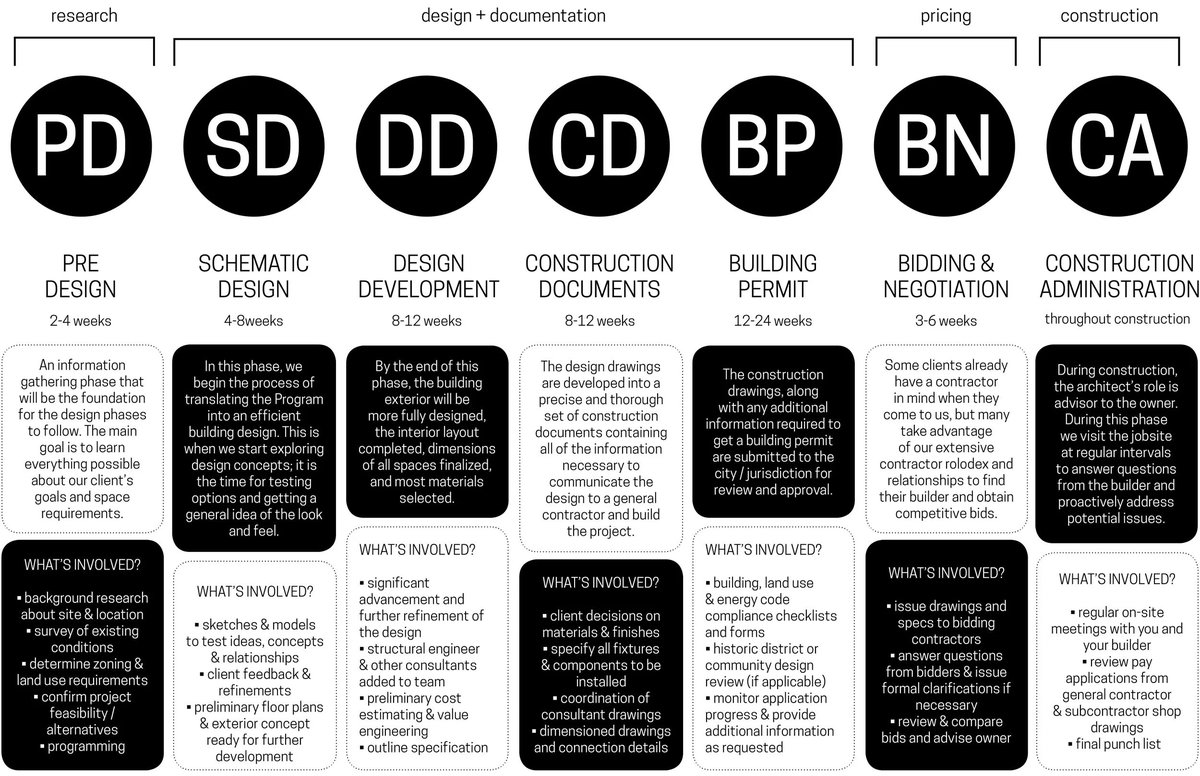
Embarking on a custom home build is an exhilarating journey, but navigating its complex phases can feel like charting unknown waters. One of the most pivotal, yet often misunderstood, junctures is transitioning from Schematic Design to Design Development. This isn't just a bureaucratic step; it's the critical pivot where your broad vision transforms into a tangible, buildable reality, directly impacting your budget, timeline, and the ultimate livability of your dream home. Get this transition right, and you lay the groundwork for a smooth, predictable, and even enjoyable building experience. Get it wrong, and you might find yourself adrift in costly revisions and delays.
At a Glance: Why This Transition Is Your Project's North Star
- Schematic Design (SD): The "what goes where" phase. Focuses on broad strokes, spatial relationships, and how you move through your future home. Think big picture, flow, and feel.
- Design Development (DD): The "can this work in real life" phase. This is where structure, systems, and precise dimensions come together. It's about making the chosen schematic concept buildable, comfortable, and energy-efficient.
- Why It Matters: Blurring these lines leads to expensive changes, budget overruns, and permit delays. Clear transitions save you time, money, and stress.
- Your Role: Provide broad feedback in SD, then pivot to practical specifics in DD.
- Key Lock Points: Layouts settle in SD; structural logic, window strategy, and key interior details lock in DD.
Defining the Stages: From Vision to Viability
To understand the transition, let's first clarify what each phase truly entails. Think of it like writing a story:
Schematic Design: Crafting the Plot Outline
Schematic Design (SD) is your project's "what goes where" phase. This is where your architectural team takes your deepest desires, the nuances of your site, and your budget aspirations to craft clear, foundational layout options. The focus here is on the big ideas: how you'll move through your home, the overall massing (the building's shape and volume), and its strategic placement on your land. Drawings are intentionally simple—think loose sketches, basic plans, and rough elevations—because changes at this stage are cheap, fast, and expected. You're exploring the essence of your home, testing different narratives for how life will unfold within its walls.
This is the creative exploration, answering the fundamental question: Is this the right way to live on this site?
Design Development: Writing the First Draft
Once a clear direction emerges from Schematic Design, you move into Design Development (DD). This is the "can this work in real life" phase. Here, the chosen concept gets its architectural muscle and technical backbone. It involves tightening up the structural system, confirming wall and roof assemblies, establishing precise window sizes and performance, and refining key interior layouts. This is where energy models become central, and structural engineers work hand-in-hand with your architect to ensure the house can actually be built as drawn, meeting comfort, durability, and performance goals.
In essence, if Schematic Design decides the right house for you, Design Development decides the right way to build it. It’s ensuring that story is structurally sound, comfortable, and affordable.
Your Custom Home's Journey: Where SD and DD Fit In
These two phases sit squarely in the middle of a typical custom home timeline, acting as the project's critical bridge:
Pre-Design/Brief → Schematic Design → Design Development → Permit Drawings → Construction Drawings → Construction
They are where the rubber meets the road, forcing resolutions to fundamental trade-offs like maximizing natural light versus maintaining energy efficiency, or expanding space versus adhering to a strict budget. This is the intellectual heavy lifting that prevents headaches down the line. It's also where you might explore the various stages of your custom home building journey in more detail.
Why This Transition Matters So Much: Saving Your Sanity, Schedule, and Budget
You might be tempted to blur the lines between Schematic Design and Design Development, eager to jump into the exciting details. Resist that urge. Treating each phase as a distinct, purposeful step is perhaps the most powerful decision you can make for your project.
The Perils of Blurring the Lines:
- Costly Changes: Making major layout changes (a schematic-level decision) deep into Design Development (a buildability phase) is like rewriting the plot after the book is half-edited. It ripples through structural plans, energy models, and system routings, leading to extensive redesign hours, engineering revisions, and repeated re-pricing from builders.
- Wobbly Budgets: When the design isn't locked down, builders can't provide stable, fixed-price contracts. They're forced to estimate with contingencies, leading to budget instability and potential overruns.
- Permit Delays: An unstable design means an unstable permit set. City officials expect a clear, coordinated submission. If fundamental issues are still being resolved, your application will face frustrating delays, costing weeks or even months.
The Benefits of a Clear Transition: - Broad Decisions, Low Cost: Schematic Design allows you to explore wildly different concepts when changes are cheapest.
- Precise Refinement: Design Development refines the chosen concept with technical precision, ensuring every element works in harmony.
- Clarity for Builders: A well-resolved DD package enables builders like Versa Homes to offer confident fixed-price contracts and pre-book trades, avoiding unexpected costs and scheduling conflicts.
- Faster City Approvals: A complete and coordinated DD package translates directly into a robust permit application, accelerating city reviews and getting you to construction sooner.
By respecting the unique purpose of each phase, you empower your team to work efficiently, protect your financial investment, and streamline your project timeline. It's a foundational principle for understanding home budgets and keeping them on track.
Deep Dive into Schematic Design: The "What Goes Where"
This is where the dream takes its first concrete form.
What Happens in Schematic Design?
The phase kicks off with a thorough brief and site analysis. Your architectural team translates your goals—how you live, what you cherish, your aesthetic preferences—into 2-3 distinct plan options. Each option explores different trade-offs in terms of space, natural light, storage, and connection to the outdoors. You’ll also see preliminary massing studies and basic elevations, giving you a sense of the home’s exterior presence and its interaction with the site. The drawings are intentionally lean, focusing on the big-picture calls: the overall flow, the feel of the spaces, and how they relate to each other.
The Critical Decisions You Make Here
- Floor Plan Concept: This is the big one. You choose the fundamental layout, how rooms connect, the main entry/exit points, and the circulation paths.
- Key Adjacencies: Where does the kitchen relate to the pantry, dining, and outdoor living? How private is the primary suite?
- Rough Window & Light Strategy: Which rooms demand morning sun? Which need privacy or expansive views? This is about broad strategies, not specific window models.
- Overall Feel: Does the home feel open and connected, or more compartmentalized and intimate?
What Stays Flexible (and Should!)
Resist the urge to lock down everything. In Schematic Design, you absolutely do not need to decide:
- Exact tile patterns or grout colors.
- Specific faucet models or appliance brands.
- Precise wall thicknesses or intricate ceiling details.
- Individual light fixture selections.
Focusing on the "bones" – the layout, movement, natural light, and the overall feel of key rooms – is paramount. These big-picture decisions have the most significant impact on cost and livability, and they are cheapest to change now.
Common Mistakes to Avoid
- "More Options Are Better": While exploration is good, asking for 10 or more plan options often indicates an unclear brief. A skilled architect should be able to distil your needs into a few strong, distinct concepts.
- Ignoring Budget & Zoning: Don't let your dream run wild without some practical constraints. Early budget check-ins and preliminary zoning analysis are crucial to avoid designing something unbuildable or unaffordable.
- Fixating on Finishes: Getting hung up on the perfect backsplash when the kitchen layout itself is still fluid is a costly distraction. Save the décor details for later phases.
Moving into Design Development: The "How It Works"
Once you’ve chosen your schematic direction, it’s time to roll up your sleeves and make it real.
What Happens in Design Development?
This is where your chosen schematic concept is made buildable. The team confirms the precise wall, roof, and slab assemblies, considering insulation, waterproofing, and durability. Structural engineers become central, laying out spans and structural grids to support your design, ensuring your open-plan living room doesn't collapse. Window sizes, locations, and performance (U-value, SHGC) are tuned to meet energy targets and ensure comfort. Energy advisors run models, integrating with the design to guarantee efficiency. It’s about locking in the comfort, durability, and functionality of your future home.
Refining Interiors: From Rough Idea to Real Space
Rough room outlines transform into real, functional spaces. This involves:
- Appliance Layouts: Precisely locating your refrigerator, range, and sink in the kitchen.
- Work Zones: Defining efficient workspaces, storage areas, and key circulation paths.
- Fixture Locations: Marking rough locations for plumbing fixtures (toilets, showers, tubs) and major electrical components.
- Built-ins: Conceptualizing built-in shelving, cabinetry, and other integrated elements.
- Mechanical & Electrical: The "guts" of the house—HVAC ducts, plumbing lines, and electrical conduits—are routed and coordinated with the structural system and interior layouts, proactively preventing conflicts during construction.
What a Good Design Development Package Includes
By the end of DD, you should have a cohesive set of drawings that tells a clear story of how the house will be built:
- Coordinated Plans, Sections, Elevations: Showing the home from all angles, inside and out, with consistent information.
- Clear Wall Types & Floor Levels: Detailing the components of your exterior walls and the finished floor elevations.
- Developed Window & Door Information: Not just sizes, but performance targets (e.g., energy efficiency ratings) aligned with the home’s overall energy strategy.
- Key Details for Typical Junctions: Showing how roof meets wall, or wall meets foundation, at a conceptual level.
This level of detail enables builders to provide confident, accurate pricing.
Mistakes to Avoid in Design Development
- Re-opening the Entire Layout: This is the most costly mistake. Dramatically changing a floor plan at this stage creates a cascade of revisions across structural, mechanical, and energy systems.
- Dramatic Window Strategy Changes: Shifting window locations or significantly altering sizes impacts structural elements, energy performance, and overall cost.
- Treating it as a Décor Phase: While interior elements are refined, DD isn't about picking paint colors or throw pillows. It's about ensuring the foundational elements are correct.
- Keeping the Builder at Arm’s Length: Early builder involvement can catch constructability issues or cost-prohibitive elements before they become expensive problems.
The Critical Shift: SD vs. DD at a Glance
Let's distill the core difference:
| Feature | Schematic Design (SD) | Design Development (DD) |
|---|---|---|
| Core Question | "Is this the right way to live on this site?" | "Can we build this as drawn within our constraints?" |
| Primary Focus | Layout, adjacencies, massing, light, privacy, feel | Windows, assemblies, structure, key interior layouts, energy |
| Drawings | Simple, conceptual sketches, rough plans/elevations | Coordinated plans, sections, elevations; detailed assemblies |
| Key Consultants | Architect | Architect, Structural Engineer, Energy Advisor |
| Cost of Change | Low | Medium to High |
| What Gets Locked Down | Floor plan concept, overall massing, site placement | Envelope strategy, structural logic, functional interior layouts |
| Schematic Design tests the story of your home; Design Development ensures it’s structurally sound, comfortable, and affordable. |
Decisions and Dollars: Locking Down Choices
Most "what if we..." questions belong squarely in Schematic Design, where exploring alternatives is cheap. Design Development is for refining and coordinating, not reinventing.
- End of Schematic Design: By this point, your chosen plan concept and overall massing should be stable. This doesn't mean every detail is final, but the fundamental spatial relationships and the home’s interaction with the site are locked.
- End of Design Development: Here, you'll have a stable window and envelope strategy, a working structural logic, and functional interior layouts. This level of clarity is vital for accurate pricing and moving into the next stage.
Preparing for Permits: A Solid Foundation
By the time you apply for a building permit, all the critical work of Schematic Design and Design Development should be complete. The city expects a clear, coordinated house design with comprehensive structural, envelope, and window schedules that demonstrate code and energy compliance.
Permit drawings are a documentation of decisions already made, not a stage for testing new ideas. Municipalities, like Vancouver mentioned in the context research, expect vector PDFs with thoroughly coordinated plans, sections, and elevations, alongside a clean zoning and code summary. Attempting to navigating permit requirements with an unresolved design often leads to costly reviews, corrections, and delays. Skipping Design Development almost always results in a slower, more stressful, and ultimately more expensive resolution of issues during the permit review process or, even worse, on site during construction.
Your Role as the Homeowner: Guiding the Vision
Your active participation is crucial in both phases, but your feedback should evolve.
Schematic Design Feedback: Focus on Living
At this stage, your feedback should be broad and experiential:
- Flow: "Does this feel intuitive? Do I have to walk too far to get from the kitchen to the dining room?"
- Noise: "Where might noise be an issue? How does the primary bedroom relate to kids' rooms?"
- Indoor-Outdoor: "How well does the living room connect to the patio? Is there enough natural light?"
- Privacy: "Does the front yard feel too exposed? Is the primary bathroom private enough?"
Categorize your feedback into "must-fix" items (non-negotiables) and "nice-to-tweak" items (preferences). This helps your architect prioritize.
Design Development Feedback: Focus on Practicality and Comfort
As you move into DD, your feedback should become more specific and grounded in buildability and functionality:
- Comfort: "Will this window make the room too hot in the summer? Is there enough space around the toilet?"
- Practicality: "Is this stair landing wide enough to carry furniture? Is there enough counter space around the sink?"
- Maintenance: "Will this material be difficult to clean? Is this ceiling height practical for changing lightbulbs?"
Avoid major layout changes. Instead, ask your team about the ripple effects of any proposed alteration. They can help you understand the impact on cost, structure, and schedule.
The Power of Collaboration: Architects, Builders, and You
Bringing your builder into the conversation by late Schematic Design or early Design Development is not just a good idea—it's a game-changer. An experienced builder can provide invaluable input on:
- Constructability: Are there easier or more cost-effective ways to achieve a design element?
- Cost Implications: Identifying elements that might blow the budget early on, allowing for design adjustments before they're set in stone.
- Material Availability: Advising on lead times or alternatives for specific materials.
Early builder involvement ensures that the design is not only beautiful and functional but also practical and affordable to build. This collaborative approach ensures you are working effectively with your builder from the outset. It helps line up trades and suppliers, giving you a clearer picture of your project's trajectory.
The Versa Homes Advantage: Integrated Design-Build
At Versa Homes, we understand the critical nature of the Schematic Design to Design Development transition. That's why we integrate these phases in-house. Our design and build teams collaborate from day one, ensuring that:
- Ideas are Tested Early: Every design concept is immediately vetted against budget realities and site performance, allowing us to proactively resolve trade-offs.
- Seamless Handover: With our integrated approach, there’s no friction between design and construction. The build team has been involved from the start, understanding every design nuance.
- Predictable Outcomes: This clarity enables us to offer fixed-price contracts once the Design Development phase is complete and locked in. You'll receive detailed schedules, pre-booked trades, and access to a client portal to track progress. Our Move-In Date Commitment and Versa Shield 3-6-11 coverage are testaments to our confidence in this streamlined process.
Our goal is to eliminate surprises and deliver a custom home that exceeds expectations, on time and on budget, by mastering the crucial transitions between design stages.
Your Burning Questions, Answered
What's the main difference between Schematic Design and Design Development?
Schematic Design is about exploring the overall concept, layout, and how the home feels. Design Development refines that chosen concept into a buildable design, focusing on structure, envelope, windows, and aligning key interior layouts and systems.
Which phase comes first: Schematic Design or Design Development?
Schematic Design always comes first. You need to decide what you're building before you figure out how to build it.
Can I skip Design Development to save time/money?
Almost always, no. Skipping DD leads to costly redesigns, re-pricing, and delays during permit review or, worse, during construction. You'll spend more time, money, and stress resolving issues that should have been addressed earlier.
What should I expect at the end of Schematic Design?
You should have a chosen floor plan concept, a basic massing and elevation direction, and clarity on how the home interacts with its site. This is not a full permit set or final specifications.
What should I expect at the end of Design Development?
You should receive coordinated plans, sections, and elevations, a clear envelope and window strategy (including performance targets), and enough detailed information for confident, accurate pricing by builders and for the preparation of permit-ready drawings.
When does the layout get locked? When do window sizes lock?
The overall layout and critical room adjacencies typically lock at the end of Schematic Design. Window sizes, precise locations, and performance specifications usually lock by the end of Design Development.
When should a builder get involved in the process?
Ideally, by late Schematic Design or early Design Development. Their input on cost and constructability is most valuable when changes are still relatively inexpensive.
How does this transition impact my budget and timeline?
A clear, well-managed transition controls design hours, improves pricing accuracy, and significantly speeds up permit review. Blurry phases lead to extensive redesigns, multiple re-pricing exercises, and protracted delays.
Building Your Vision, Intentionally
The transition from Schematic Design to Design Development is more than a step in the architectural process; it's a strategic checkpoint. By understanding its purpose, respecting its boundaries, and engaging actively, you empower your team to transform your dream into a detailed, buildable plan. This intentional approach is the bedrock of a successful custom home project—one that remains on budget, on schedule, and ultimately delivers the exceptional living experience you envision.
Untuk pemahaman lebih lengkap, baca panduan utama kami: Understanding Schematic Design