Every great structure begins not with concrete or steel, but with an idea – a vision for a space that solves a problem, inspires awe, or simply functions beautifully. But how do you translate that initial spark into a tangible plan? That's where schematic design comes in. It's the critical first step, or sometimes the second, in the five-phase architectural design journey, acting as the bridge between abstract concepts and a realistic blueprint for your dream project.
This isn't just about drawing lines on paper; it's about deeply understanding the project's purpose, exploring possibilities, and laying a robust foundation. Think of it as mapping out the skeleton of your building before you add the muscle and skin. Without a clear, well-considered schematic design, subsequent phases risk inefficiency, costly revisions, and a final product that falls short of its potential.
Setting the Stage: What is Schematic Design?
Schematic design is the initial exploration phase where your project's broad strokes are defined. It takes your programmatic needs and conceptual ideas – what you want the space to do and feel like – and translates them into an initial architectural and spatial design. While not as detailed as later stages, it clearly articulates the spatial relationships, scale, and general form of the building, providing a crucial framework for everything that follows.
This phase is fundamentally different from abstract conceptual design. While conceptual work might be loose and diagrammatic, schematic design moves into concrete spatial and architectural elements. It uses standard architectural conventions like plans, sections, and elevations to convey how spaces will interact and function. To dive deeper into the core principles that drive this foundational stage, check out our guide on Understanding the Fundamentals of Schematic.
The Collaborative Spirit: Owners, Architects, and the Design Vision
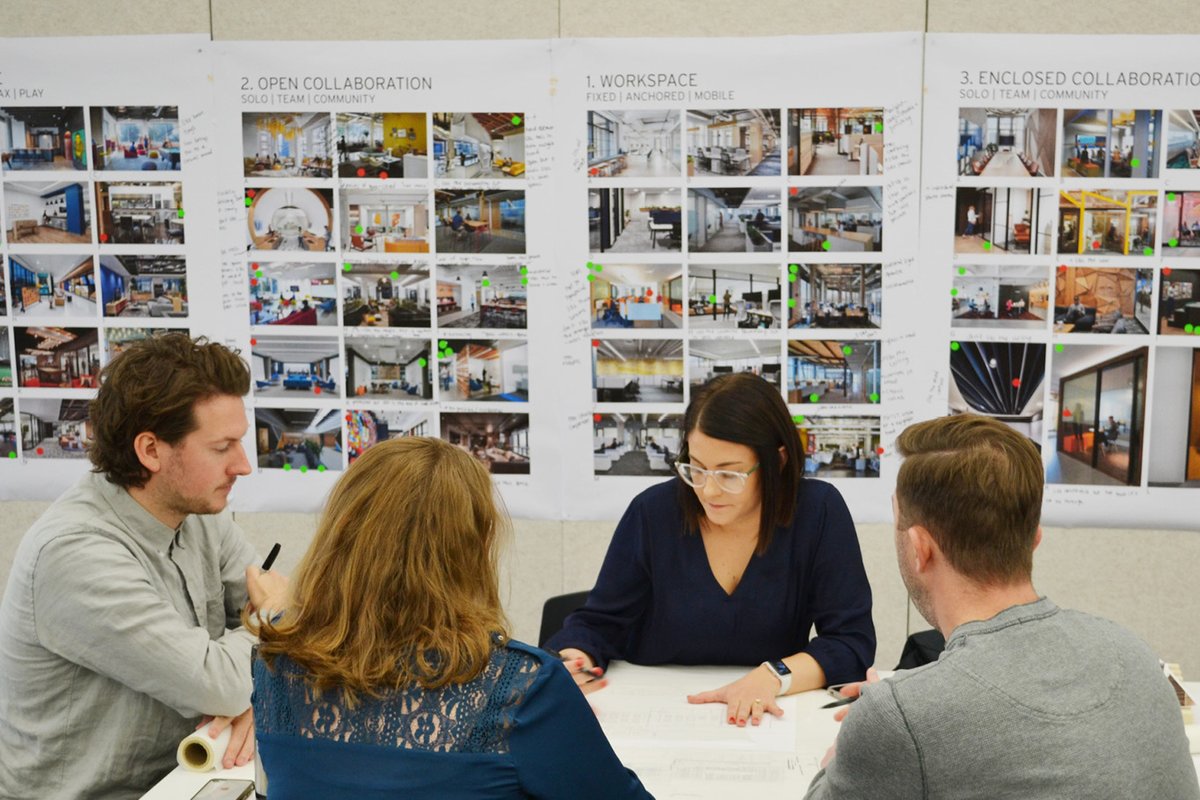
A building project is a team sport, and schematic design highlights the crucial partnership between the project owner and the architect. The owner brings the vision, the basic ideas, and the ultimate goals for the space. The architect, in turn, translates these aspirations into design elements, offering expertise and creative solutions. This intense collaboration is where ideas flourish, and potential challenges are identified early.
A successful schematic design phase thrives on open communication and a free exchange of ideas. Both parties need to be actively engaged, providing feedback and exploring multiple options together. While the entire project team is involved, the architect and owner are truly the driving force, ensuring that the initial design aligns perfectly with the project's purpose and aspirations. For strategies to make these relationships even stronger and more productive, explore our insights on how to Boost Collaboration and Engagement in SD.
Crafting the Blueprint: Navigating the Schematic Design Process
The journey through schematic design is an iterative one, driven by exploration and refinement. It's a structured approach to problem-solving, ensuring every aspect of the initial vision is considered and integrated. Patience and a willingness to explore multiple avenues are key during this vital stage.
Here's a breakdown of the typical steps involved:
- Programming and Idea Collection: This begins with a deep dive into the owner's vision and project requirements. It's a collaborative effort to gather all essential information, from functional needs to aesthetic preferences, often involving site visits and discussions about existing layouts.
- Research and Analysis: The architectural team takes these initial ideas and expands upon them. This includes determining the project's scope, scale, and dimensions, alongside critical site analysis. Experts also research local zoning laws, building codes, and other regulatory elements that will impact the design.
- Initial Design Development: Based on the gathered information and research, the architect begins to create several preliminary design elements. These are early sketches and diagrams that explore different approaches to space, form, and function.
- Review and Iteration: This is where the designs are tested against the initial vision. The architect and owner continuously review and refine the proposals, often leading to multiple sketches and adjustments. It’s a process of give-and-take, with team members consulting to find optimal solutions for any emerging flaws, leading towards client approval before progressing.
Understanding this systematic approach is essential for a smooth project start. To gain a deeper understanding of each step and how they contribute to a cohesive design, you'll want to Unlock the schematic design process.
From Concepts to Concrete Plans: What to Expect in Schematic Design Deliverables
The output of the schematic design phase isn't a highly detailed construction manual, but rather a comprehensive overview that establishes the project's direction. These documents serve as a shared understanding of the building's fundamental characteristics, ready for further development.
Key components typically included in schematic design documents and drawings are:
- Project Summary and Narrative: A written description outlining the project's goals, scope, and key design concepts.
- Site and Code Analysis: Documentation of site conditions, environmental factors, and relevant building codes or zoning regulations.
- Existing and Proposed Site Plans: Drawings showing the property's boundaries, existing features (like roads, utilities, and landscaping), and how the proposed building will sit within it.
- Floor Plans for Every Level: Top-down views detailing the layout of spaces, general dimensions, and the placement of major equipment or furnishings.
- Multiple Building Sections: Cutaway views that reveal the vertical relationships between different levels and spaces within the building.
- Building Elevations: Visual representations of all four exterior sides of the building (east, west, north, south), providing a sense of its overall appearance and massing.
- Description of Building Systems: A general outline of the proposed structural, mechanical, plumbing, HVAC, and electrical systems, illustrating their intended integration.
It's important to note that schematic drawings generally do not delve into highly specific interior design details, material specifications, or intricate features that will be elaborated in later phases. To fully grasp what these crucial documents entail and how they lay the groundwork for your project, refer to our Schematic Design Deliverables Guide.
Empowering Design: Essential Tools and Techniques
While the creative mind is the primary engine of schematic design, modern architects leverage a range of tools to bring their visions to life. From initial hand sketches that capture fleeting ideas to sophisticated software that enables rapid visualization and iteration, the right tools enhance efficiency and clarity. These often include CAD programs for drafting, 3D modeling software for spatial exploration, and sometimes even physical models for tactile understanding.
Choosing the appropriate tools can significantly streamline the design process, allowing architects to explore more options, communicate ideas more effectively with clients, and catch potential issues early. For a comprehensive look at the digital and traditional resources that empower architects in this crucial phase, explore our recommendations for Essential tools for schematic design.
Beyond the Foundation: What Comes After Schematic Design?
With a solid schematic design approved, the project moves into the subsequent phases, each building upon the foundation established.
- Design Development (DD): This phase refines the chosen schematic drawings, adding more specific details like interior elevations, precise room sectioning, door and window planning, and initial material details. It delves deeper into spatial relationships and often involves extensive 3D modeling, bringing the design closer to construction details and budget considerations.
- Construction Documents (CD): The culmination of the design process, this phase translates all approved ideas into comprehensive, detailed drawings and specifications ready for physical construction and permit submission. This stage requires minimal owner input, relying on the architect's expert judgment to produce the final, definitive plans.
A strong schematic design minimizes costly changes in these later, more detailed stages. It's the moment to brainstorm, explore, and ensure alignment before commitment.
Cultivating Success: Actionable Insights for a Strong Start
A well-executed schematic design phase is arguably the most critical step for any architectural project. By investing time and collaboration upfront, you pave the way for a smoother, more successful build.
- Share Your Vision Openly: Owners should provide as many ideas and as much context as possible to their architect early on. The more information, the better the initial concept and subsequent schematic design.
- Embrace Exploration: Architects and owners alike should avoid settling on the first design option too quickly. This phase is for brainstorming diverse ideas and finding truly creative, optimal solutions.
- Prioritize Planning and Management: Architects must practice excellent project management to ensure efficiency, keeping the design process on track and within initial resource estimates.
- Make Timely Decisions: While exploration is good, once options have been explored, it's crucial to select one direction before moving into design development to maintain team alignment and project momentum.
- Mind Your Resources: Tracking time and budget carefully in this early phase prevents resource depletion that could impact the more detailed, later stages.
Schematic design isn't just a phase; it's a strategic investment in the future of your project. By approaching it with thoroughness, collaboration, and a spirit of exploration, you ensure that the essential foundation for your building is not just laid, but meticulously crafted for success. Your journey to a remarkable structure begins here, setting the stage for every phase that follows.